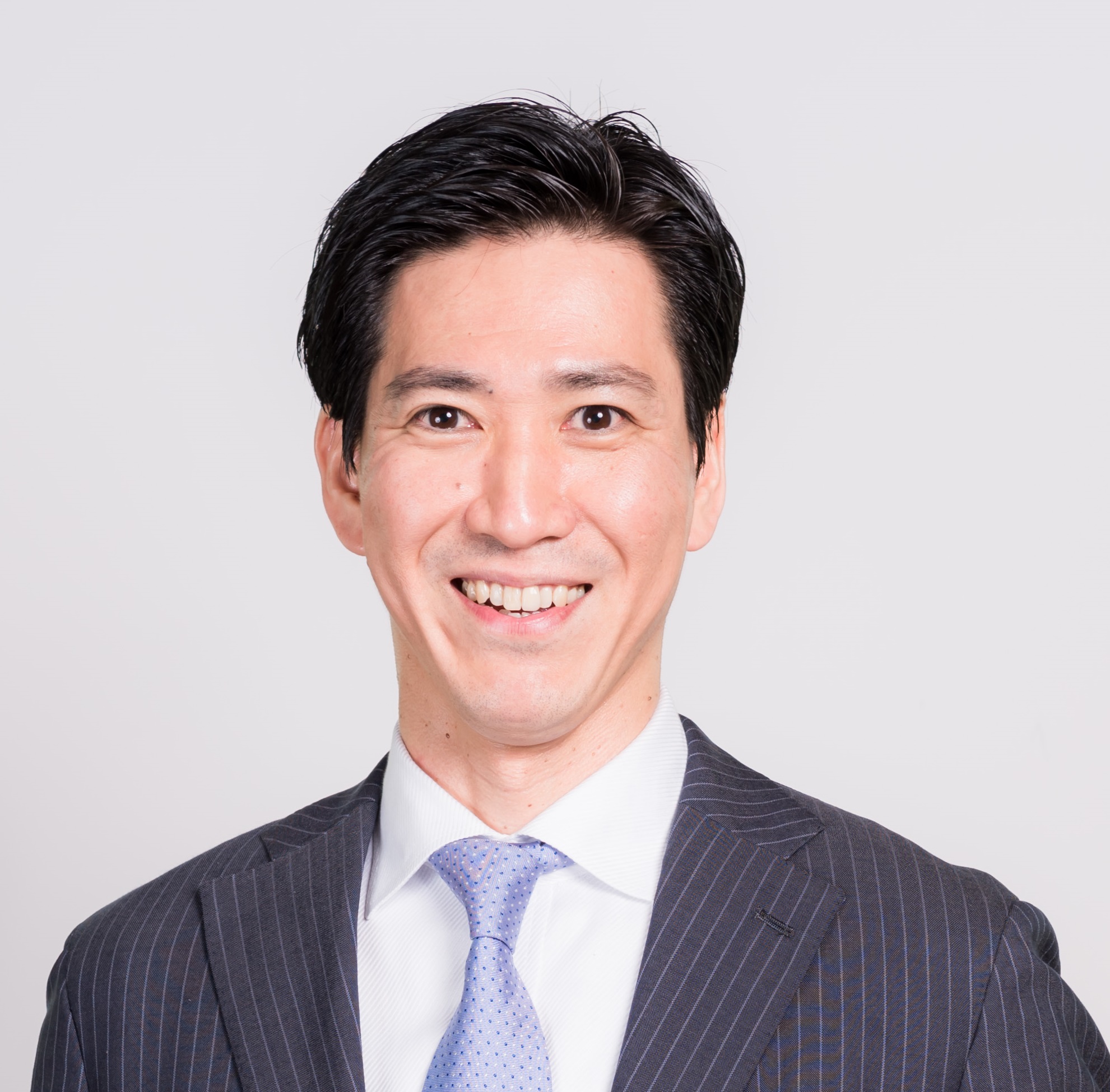
Asked about what’s currently happening in Japan and why it might be an interesting market for investors, Junichi Takayama says that the country is moving from a deflationary environment to an inflationary environment. He adds that this is really changing people’s mindset.
“People used to have a deflationary mindset, which means that you continue to hoard cash, and that was true also for the corporate sector. In a deflationary environment, cash is king. What we’re seeing now is that companies are changing their capital management policies, and we expect a significant amount of cash will be mobilized to unlock value,” he says.
This move is also happening among households, where some 50 per cent of assets are currently in cash or bank deposits.
“We’re already seeing a change, partly because the government recently expanded the tax-exempt program for retail investors and we’re seeing an increasing number of account openings. This is especially true among the younger generation where people are investing more. If you take a step back and look at the Japanese market, we had a big bubble that burst in the early 1990s, and people have been kind of traumatized by that experience. But now we have a younger generation who really don’t know about what happened in the past and if you look back over the past 10 years, the Japanese market has been quite strong,” he explains and adds that they’re also seeing a change in politics.
“Over the past two years or so, the political situation has been quite uncertain, and the previous Liberal Democratic Party (LDP) leadership had lost two major national elections in the last 12 months. Now we have a new LDP leader in Sanae Takaichi – the first female Japanese prime minister. We also have our first female finance minister. The photo of the cabinet members on the first day looks very different from how it used to look. Sanae Takaichi is a very strong leader and she’s a likable person. I like to tell people she smiles, unlike some of the other Japanese politicians, and she doesn’t come from a political family. Right now, in the more powerful lower house, two-thirds of the seats are controlled by the LDP, which is the largest number of seats in the entire post-World War period. Politics is changing, the macro environment is changing, and the government is more focused on growth rather than redistribution of wealth,” he says.
Asked about the risks of a boom bust cycle with wage growth at some 5 per cent, Junichi Takayama explains that Japan is a consensus-driven society and when things happen, they tend to happen all at once.
“When government calls for companies to increase wages because of inflation, initially it starts with large companies such as Toyota and Sony, but we’ve seen that the wage growth has kept its momentum over the last three years. We’re also seeing that inflation is coming down, with a caveat related to what’s going on in the Middle East. The narrative that we had at the beginning of the year was that inflation is coming down and wage growth is maintaining its momentum, which means we’re finally seeing real wage growth,” he says.
Turning the discussion towards investment opportunities, Junichi Takayama says that we are at an inflection point right now, which makes it an interesting time to look at Japan.
“We now have a Prime Minister in full control and there is a focus to increase investments across sectors related to national security, such as AI, semiconductors, shipbuilding, cybersecurity, materials, critical minerals and of course the defence industry. The defence budget is currently about 2 per cent of GDP, and that’s expected to grow further,” he says. He adds that there has absolutely been a surge in the stock prices of companies related to defence but says that many of the defence-related companies in Japan are not pure-play.
“Companies like Mitsubishi Heavy and Kawasaki Heavy have a significant defence business, but it’s not the biggest business they have. It’s therefore tricky to do an apple-to-apple comparison,” he says. Talking about Japanese companies in more general terms, Junichi Takayama says that they are collectively more cash-rich than peers in the US or in Europe.
“It’s not hard to find companies with 20 – 40 per cent of market cap accounted for by cash. The revision to the corporate governance code is expected to make companies become more transparent about how they intend to use the cash. The new finance minister recently held a presentation in Davos where she highlighted the suboptimal allocation of capital by Japanese companies,” he says.
Another cultural change is the attitude towards hostile takeovers. “Hostile takeovers are on the rise. Three years ago, the government came out with best practice M&A guidelines saying that as a public company you need to consider any type of acquisition offers, including unsolicited offers. The culture has been changing. Companies need to be more shareholder friendly,” he says.