

The full article is only available to members
If you’re new to Tell Media Group, create an account.
Read more about our memberships

If you’re new to Tell Media Group, create an account.
Read more about our memberships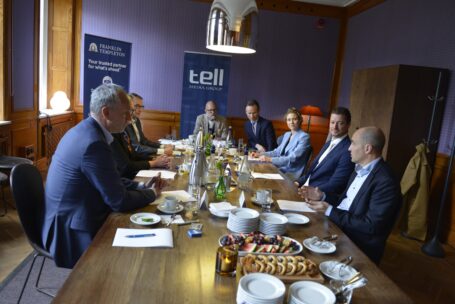
2026-09-04
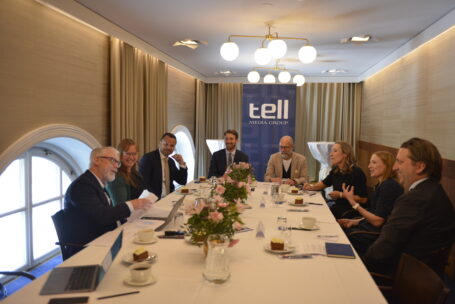
Just before summer, Tell Media Group together with Franklin Templeton, Robeco and Schroders gathered Swedish investors for a discussion on opportunities and challenges in emerging market equities.

2026-09-11
The challenge is not simply to find skilled managers. It is to combine independent sources of investment insight and manage their risk in a coherent portfolio. Guest insight by Tone Varmann, portfolio manager & partner...
2026-09-09
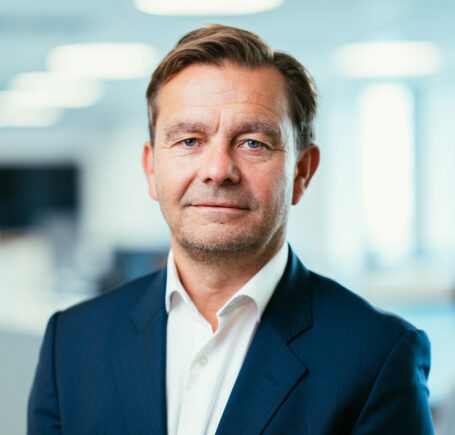
Tell Media Group recently sat down with Henry Grepstad, partner and portfolio manager at FIRST Fondene, following the FIRST High Yield’s recognition at the LSEG Lipper Fund Awards 2026 where the fund was named the...
2026-09-03
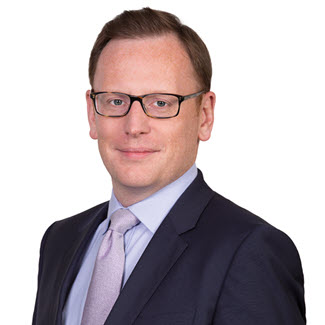
Andrew Harvie, senior client portfolio manager at Columbia Threadneedle Investments, talks their approach to quality growth investing, finding opportunities outside AI and tech and the importance of harnessing the resources of the firm as a...
2026-09-03
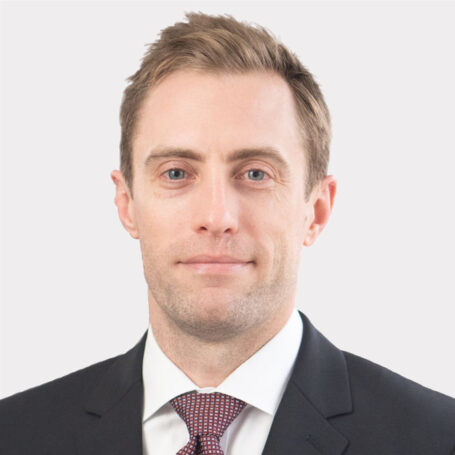
Tell Media Group recently sat down with Joshua White, co-chief investment officer and portfolio manager at Boston Partners, for a discussion centred on their approach to US large cap equity investing where the key message...
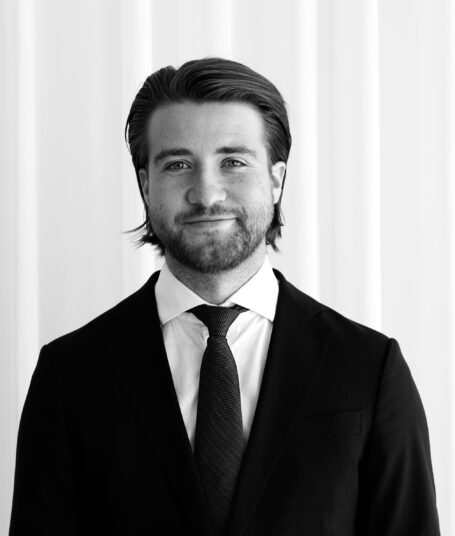
2026-08-31
We recently sat down with Andreas Eriksson who works as head of fund selection & portfolio manager at Garantum Fondkommission for a discussion centred on how he evaluates, selects and combine external funds as part...
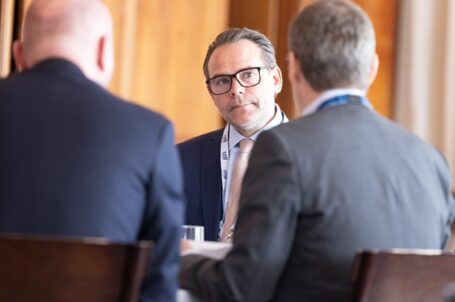
2026-08-26
Before the summer, Tell Media Group sat down with Love Nordström, head of manager research at Swedbank, for a conversation about how one of Sweden’s largest banks thinks about fund selection in practice.
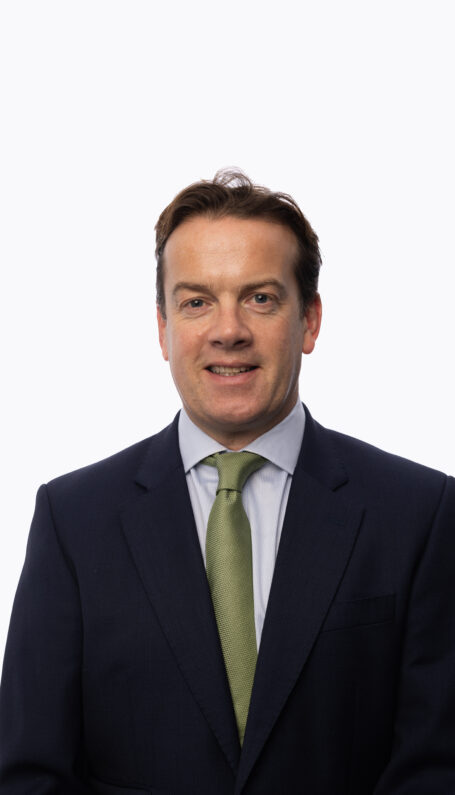
2026-08-19
James Cook, investment director, emerging market equities at Federated Hermes, talks about what it means to be a contrarian investor in Asian equities and why he’d rather own a cheap Ford than an expensive Ferrari.
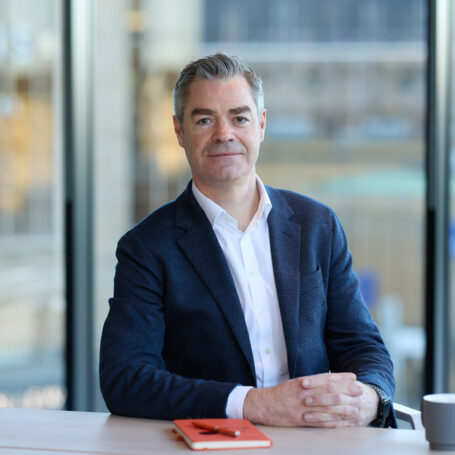
2026-08-18
Alan Coffey, a director in the private companies’ team at Baillie Gifford, talks about private growth equities - an asset class within private equity that emerged because of the trend where companies are staying private...
2026-09-09
Focus, being present and being patient – as well as having a suitable structure in place. These are some of the key factors to find success when it comes to international fund distribution according to...