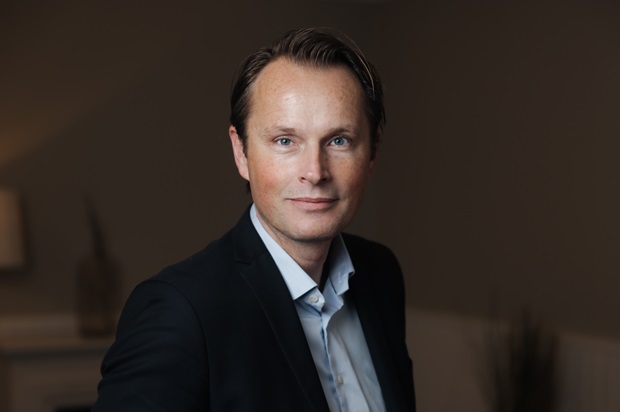
The changes are the result of an internal project initiated almost two years ago and all employees as well as the board have been involved in providing input about what has been working well and in which areas the pension fund needed to improve. The project was launched not long after Erik Kleväng Callert came on board as chief investment officer of AP2 in May 2022 and has taken up much of his time since he joined.
Erik Kleväng Callert says that with the new structure, the Gothenburg-based pension fund will be in a better position to fulfil its aim of contributing to the stability of the public pension system while adding value by investing sustainably. It also comes from a need to be more flexible in light of a changing world. “We come from a long period when it has been relatively safe in the world with little geopolitical risk,” Erik Kleväng Callert says. “Interest rates have been low, most companies have been making money and it hasn’t been that difficult to be an investor. Now, we see a lot of changes going on in the world. There’s geopolitical fragmentation and we see the climate transition and demographic change as important themes. In the past, we didn’t have the flexibility or a way of working that made us adaptable to change. Going forward, I think it will be very important to exit markets that won’t be good from a portfolio perspective and to invest more where we believe we can achieve good returns and contribute to the green transition and a sustainable development.”
At the same time, he emphasises that the changes should be seen more as evolution rather than revolution and some aspects of the pension fund’s investment strategy will stay the same. This goes for both the work around the more long-term strategic asset allocation as well as its more short-term tactical investments.
When asked about the strengths of AP2’s investment approach, Erik Kleväng Callert mentions the ability to be a really long-term investor. “We try both to be long term and take sustainability into account. That’s a way of utilising having a long-term horizon – we try both to create and protect value from an economic, environmental and social perspective and you really need to be long term in order to do that,” he says.
Related to this, he also points to climate-related risks in the form of potential CO2 taxes and duties for CO2 intensive products that may have an impact on certain sectors. “Trade patterns are also a kind of geopolitical risk and as a long-term investor, you need to keep track of the sectors that are exposed to those risks,” he says.
AP2’s investment portfolio is managed against its very long-term strategic portfolio, which has a 30-year horizon and is divided between 70 per cent equities and 30 per cent bonds. While the strategic portfolio has a return expectation of 6 per cent over time, the pension fund aims to contribute with an additional percentage point in returns by its asset allocation and strategy choices, such as its illiquid investments and long-term multi-factor strategies, as well as the tactical and dynamic asset allocation. The pension fund’s return expectations are somewhat higher going forward compared to previous years.
The dynamic allocation layer is a new feature of its investment strategy. “We’ve previously worked with tactical allocations, which have a horizon of about a year, and we will continue to do that. Then we’ve worked to a smaller degree with allocation changes that have a somewhat longer time horizon but we haven’t done it in a systematic way or had dedicated people working on it. In the new organisational structure, we will have a separate allocation team that will do the analysis, implement the positions and follow-up on them,” Erik Kleväng Callert says. With AP2’s very long investment horizon, the dynamic allocation positions will be made with a five to 10 year time period in mind.
At the start of April, the pension fund will move over to the new portfolio and organisational structure, which also aims to bring a more holistic portfolio perspective and increase co-operation among its staff members. “In the past, we focused a lot on beating single benchmarks. Now, we want to have more of a holistic portfolio perspective and use our risk budget where it makes sense and we get paid the most. Those working with security selection should be part of the whole chain and give input into how to make the whole portfolio better. It’s important that everyone feels like they can influence achieving the extra percentage point in returns each year from our active investment choices,” he says.
Since a few years’ back, all AP2 employees have got fixed rather than variable salaries, which Erik Kleväng Callert believes make sense for a very long-term investor and both facilitates keeping the total portfolio perspective at the centre as well as improves the basis for cooperation internally.
The pension fund’s investment organisation consists of 34 members of staff, which is relatively slim compared to similar sized asset owners. Working in silos might therefore be less of a problem than for a very large investment team but Erik Kleväng Callert says that even more could be done in this respect and the aim is to create an environment where cross-department collaboration comes naturally.
The office layout is perhaps not an insignificant factor in this. Last year, AP2 relocated to a new much smaller office, which might increase the level of internal co-operation. Erik Kleväng Callert notes that having an activity-based office design across fewer square meters is likely to force people to sit at different desks next to different colleagues when in the office.
Over the past year, AP2 has put some extra effort into further cost reduction. The office move to smaller and cheaper premises is one part of this. The AP funds have, however, been subject to cost pressure for many years, which has resulted in pretty low costs in comparison with similar players internationally. For a longer period, AP2 has had a strategy of managing everything that it can internally as a way of keeping cost down. Last year, its last external equity mandates were dismantled, bringing the share of internal management to 83 per cent of total assets. Asked about the need to reduce costs even further, Erik Kleväng Callert notes that both returns and costs are important parts and two sides of the same coin when it comes to making money. “Last year, we reduced our costs by 16 per cent but there’s always more to be done. You need to be prudent. In the end, this is the money of current and future retirees,” he says. Following the additional measures taken during last year, the pension fund’s costs are currently at 0.09 per cent of total assets.
A large part of AP2’s portfolio is managed internally with a quantitative investment approach. “That’s good from a cost perspective because then you don’t need as many members of staff. But quantitative models require data and data is the new gold,” says Erik Kleväng Callert. This is not least the case for sustainability data, where great demand from asset owners and asset managers has pushed up the prices. He notes that some of the ways that AP2 is trying to keep the costs of quantitative management down is by utilising its internal expertise and doing as much as possible internally but also by staying flexible and having the ability to shop around among data providers to get the best data for the best price.
AP2’s investment organisation was previously divided between a quantitative team that worked with all quantitative investments in both equities and fixed income, a Swedish equity team focusing on fundamental management, an alternative investment team as well as a team working with fixed income, currencies, macro analysis and the trade execution.
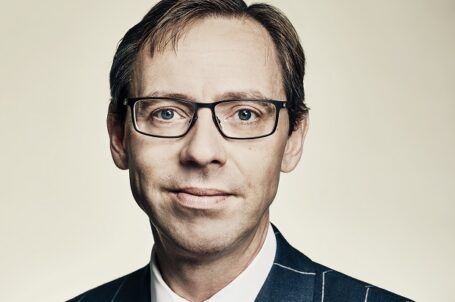
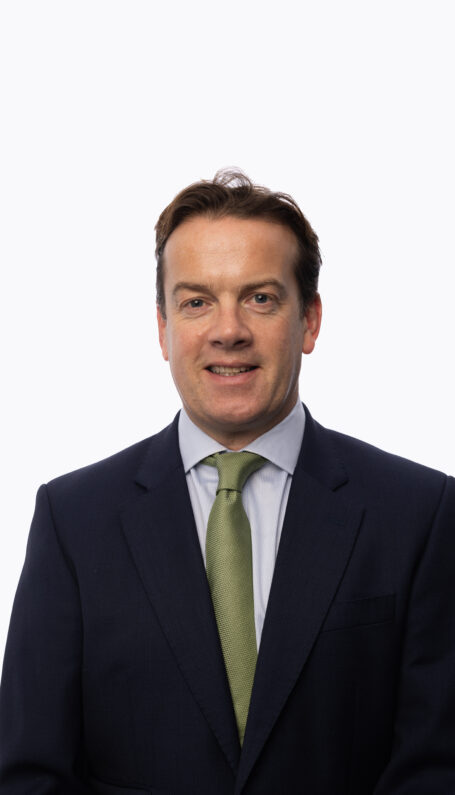
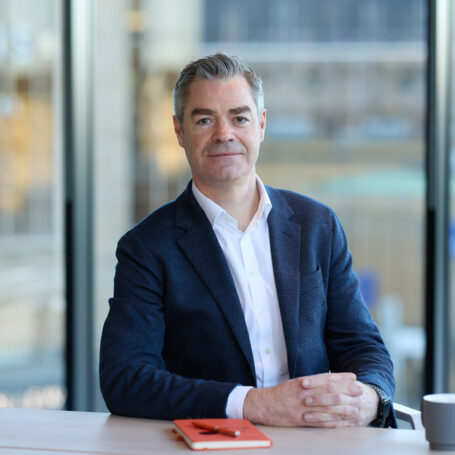
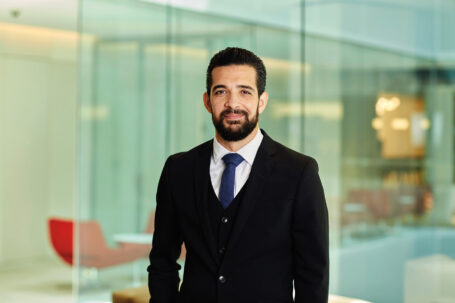
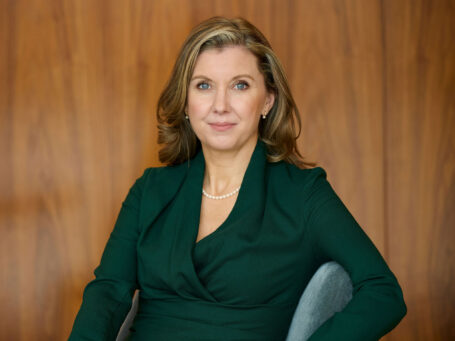
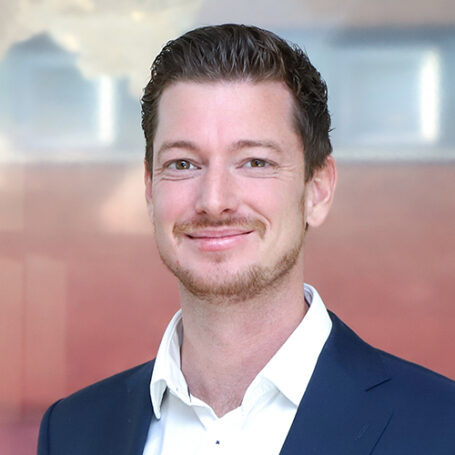
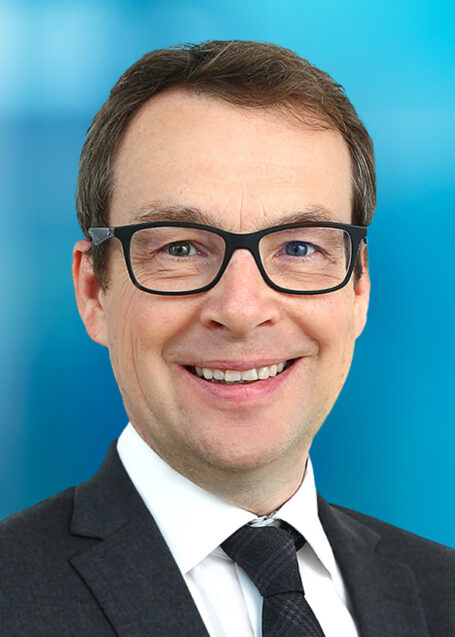
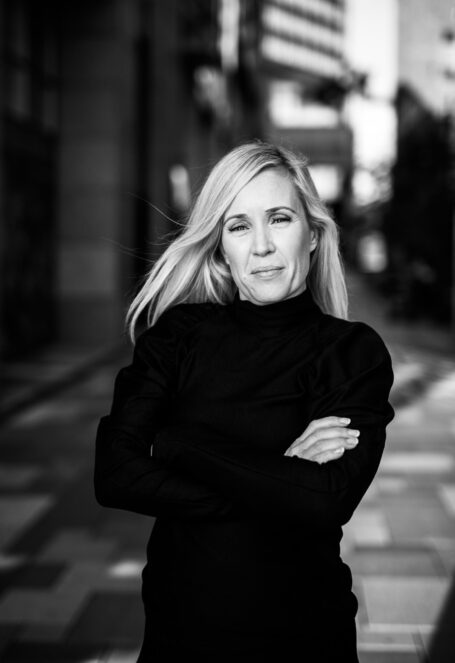
The pension fund has made an internal reshuffle rather than hiring any new people and will going forward have a more traditional structure based on asset classes. The equity team, headed up by Jonas Eixmann, is responsible for both fundamental and quantitative equity strategies as well as private equity. The same goes for the fixed income team, headed up by Ole-Petter Langeland, which covers all kinds of fixed income strategies, including private debt. The real asset team, headed by Helena Olin, is responsible for real estate, sustainable infrastructure as well as forestry and agriculture. The strategy team that works on the pension fund’s strategic asset allocation remains unchanged and will continue to be headed up by Christoffer Grände.
In addition, the pension fund has established a new allocation team which consists of team members that previously used to work in a range of departments, including in the former quantitative team. “We want to find some synergies from our quantitative investments. We have a lot of quantitative knowledge and have built models internally for the past 15 years, so there’s a lot of history and data that can be of use for the dynamic allocation,” says Erik Kleväng Callert, who heads up the allocation team himself. The allocation team is also responsible for all trade execution.
The pension fund has also implemented a new decision-making process by introducing a strategy group, made up of all department heads, that will make all the bigger investment decisions.
Organisational changes can, on the other hand, cause some disquiet internally. Erik Kleväng Callert says that it has been a priority to ensure that all members of staff are on board and have had an opportunity to contribute. “That was both to ensure that the best ideas would be brought forward but also so that everyone would be comfortable with the process while it has been ongoing. It was a bit tough for a while when there were a lot of new things and it was difficult to see the big picture but now everyone is looking forward to April 1 when we’re launching the new structure. Most of the staff members have been very engaged and really grown in their professional roles,” he says.
A potential disturbance to implementing the new structure could be the Swedish government’s current investigation into possibly merging some of the AP funds. AP2 is, on the other hand, in a more fortunate position compared to its Stockholm-based peers, which are in danger of a more significant shake-up as the three of them could become two. For AP2, the question is rather whether it will be merged with the much smaller private equity-focused pension fund AP6. The inquiry is still ongoing.
Like most large Nordic asset owners, AP2 aims to achieve a net zero portfolio and the pension fund has signed up to the IIGCC’s Paris Aligned Asset Owner initiative. The interim targets may have seemed far off when many investors began their net zero work but the years are going by quickly and most of the low-hanging fruit is now gone, making the path forward somewhat challenging. “Almost all large institutional investors have reduced their CO2 footprint but the world’s CO2 emissions have increased. Everyone has allocated away from the highest emitters and bought more technology companies. We’ve reduced our CO2 footprint by 30 per cent but most of it comes from reallocations within equities. But it should be about real world impact – helping the companies that are the highest emitters to transition,” he says.
Investors are, of course, dependent on change taking place among the underlying companies and assets. While things so far have been moving slowly, Erik Kleväng Callert is hopeful that it will start picking up going forward. “We and many others have engaged with companies about having transition plans and most of them have now got science-based targets. There are not that many that have started to act on them yet but I hope that things will start moving soon,” he says.
Asked about how the pension fund will be approaching the green transition going forward, he first mentions opportunities in private markets. “Looking ahead, we believe we need to identify new innovations that can contribute to the green transition,” he says. “Our private equity allocation is very tilted to innovation within, for example, technology, biotech or health care. Biodiversity is also one of our focus areas and there could be interesting tech companies that can make the agriculture industry more efficient.” Furthermore, he points to investments in solutions that can help reduce the CO2 footprint of high-emitting industrial processes, such as concrete and steel production.
The pension fund is also currently looking into setting up a strategy targeting the laggards of the green transition within the energy sector with the aim of having an impact on them to become more sustainable. “We see investing in the fossil fuel industry as too big of a risk, so we’ve stayed clear of high-emitting oil and gas companies,” he says. “Some of them might be winners but the rest will become stranded assets. But there could be an opportunity to put together a transition portfolio of cherry-picked companies that look brown today – companies that are emitting a lot of CO2 and few want to touch, which makes them cheap, but they might still have some inherent value. By buying those companies, we could have an impact on them transitioning to sustainable business models and thereby create value. So active ownership on steroids. We’re looking into whether this will be possible to do.”
This interview was originally published in Nordic Fund Selection Journal, issue 02 2024.
In order to be better equipped to face a changing world, Sweden’s AP2 is reinventing itself by establishing new structures for both its portfolio and investment organisation. Going forward, the SEK 426 billion (EUR 37.2 billion) Swedish national pension fund will put more emphasis on dynamic asset allocation, having a more holistic portfolio perspective and internal co-operation.
The changes are the result of an internal project initiated almost two years ago and all employees as well as the board have been involved in providing input about what has been working well and in which areas the pension fund needed to improve. The project was launched not long after Erik Kleväng Callert came on board as chief investment officer of AP2 in May 2022 and has taken up much of his time since he joined. Erik Kleväng Callert says that with the new structure, the Gothenburg-based pension fund will be in a better position to fulfil its aimIf you’re new to Tell Media Group, create an account.
Read more about our memberships