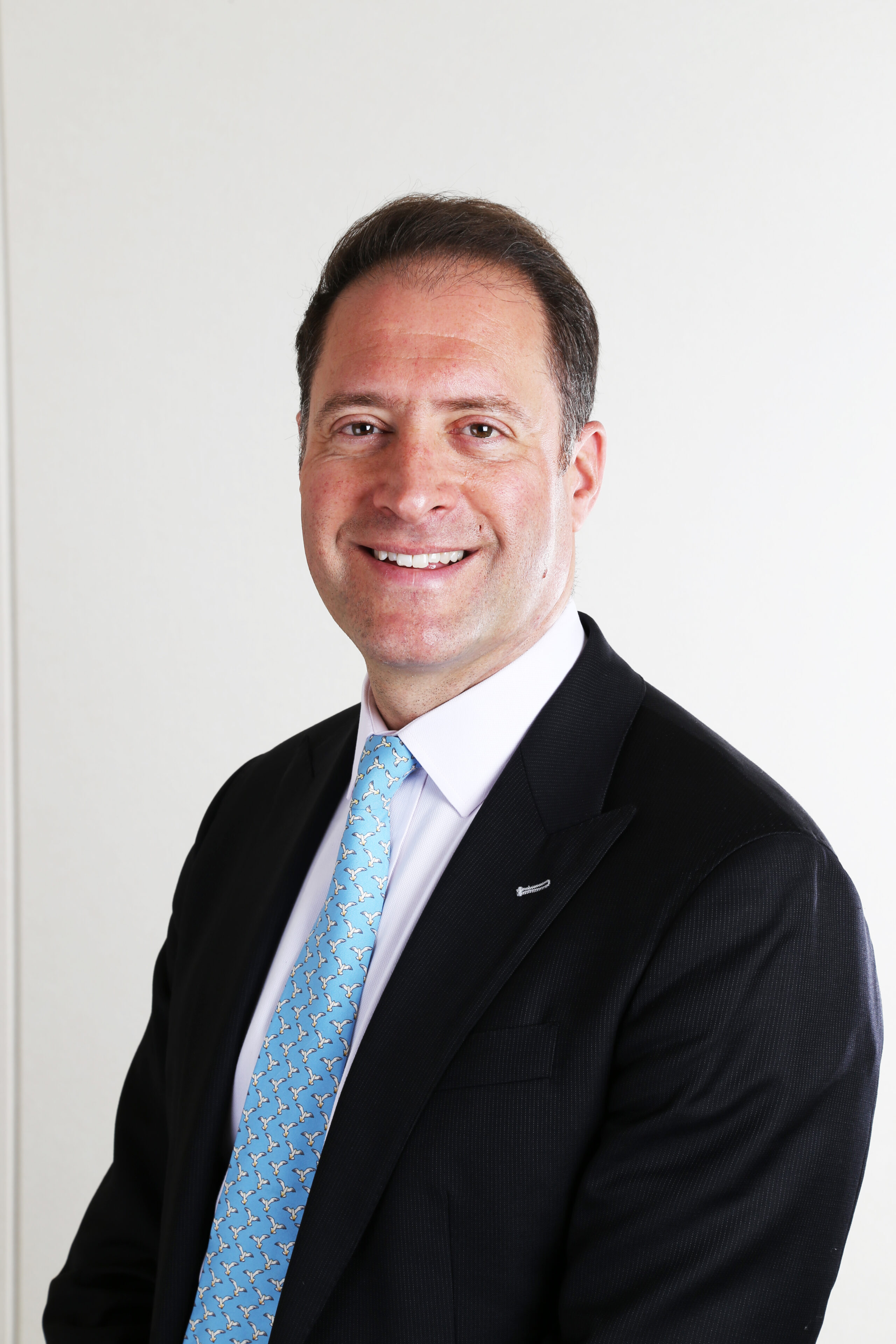
Franklin Templeton is a USD 1.7 trillion asset management company. Over time they’ve built a private markets business that today manages about USD 260 billion and more recently in Europe with a dedicated focus on the wealth segment.
“It’s extremely important for us to ensure investors that the way in which we approach private markets investing doesn’t change. We stick to the discipline of an institutional-oriented private markets process with regards to investment sourcing. We’re designing and helping our private wealth investors to go on a journey on how they can thoughtfully include private markets in their portfolio allocation,” George Szemere says. He adds that Lexington Partners has been a pioneer in private markets, and specifically in the secondaries market.
Asked if the challenges we’ve seen in traditional private equity to find exit opportunities have been positive for the secondaries market, George Szemere says that it’s grown as a necessary exit mechanism.
“It’s a market that’s grown from USD 26 billion in 2012 to more than USD 200 billion in 2025. During this time secondaries have played different roles and over the last several years, secondaries have become a necessary exit tool. On the one hand you have so-called LP-led transactions – transactions where for example a large pension plan might aim to create liquidity in their portfolios through tendering for some of their portfolio exposures to a secondary manager, like Lexington Partners. We also have GP-led transactions, which are driven by the private equity fund managers,” he says and adds that the opportunity for Lexington is the best that they’ve seen for a very long time.
“Scale is extremely important in order to access a broadly diversified set of opportunities – whether it’s regional, different segments of the private equity universe or differentiation between the LP-led and GP-led transactions,” he says.
With the evergreen structure, investors get instant diversification across managers, vintages and types of private equity – from venture to buyout. Asked about the risks of only getting the holdings investors don’t want to own any longer, George Szemere says that it is a question that they get.
“We have a longstanding track record, having invested in secondaries since the ’90s, and we’ve grown with the market. We have always been able to choose a relatively small proportion of the deals that we see. If you are a scaled, well-organized group you can really pick the best deals and you have a choice. You’re really only competing with a small number of secondary managers,” he says.
Asked if sourcing and the ability to say no are key features for investors and selectors to keep a keen eye on, George Szemere says absolutely. He adds that manager selection is crucial.
“What we believe investors should focus on is that we do not manage our evergreen strategy differently to how Lexington have been managing their business for over 30 years. The main difference is of course the allowance of a liquidity management tool inside an evergreen vehicle. But that, to us, it’s a cornerstone of the investment process and how we manage the fund,” he says. George Szemere adds that what’s been really important is the journey they have been on together with investors for the evergreen structure. “We’ve focused a lot on education through the Franklin Templeton Academy in order to ensure new investors understand the role of secondaries and how evergreen structures compare to closed-end structures. One very important focus area for us has been to communicate that this is not a liquid asset class despite the labels we have in the market: evergreen, perpetual or semi-liquid. Another guiding principle for us has been to not create evergreen funds that are trying to solve for an outcome that is different to what we already know and do,” he says.