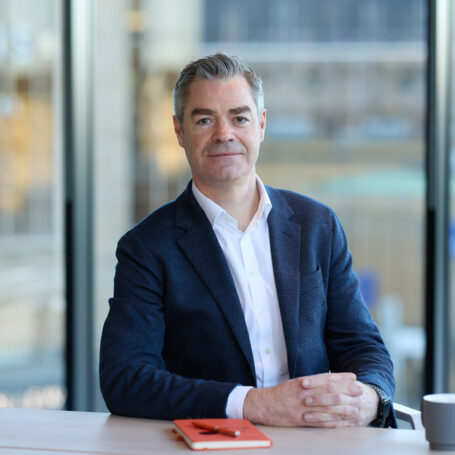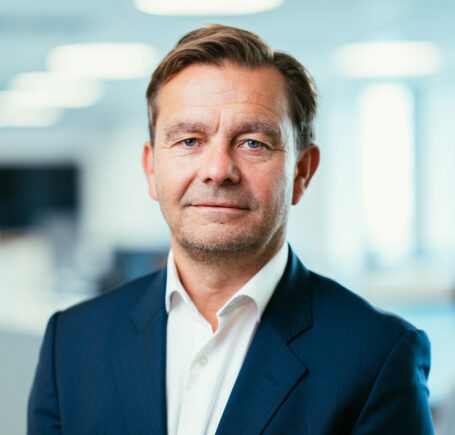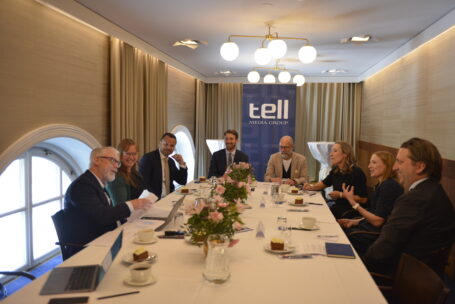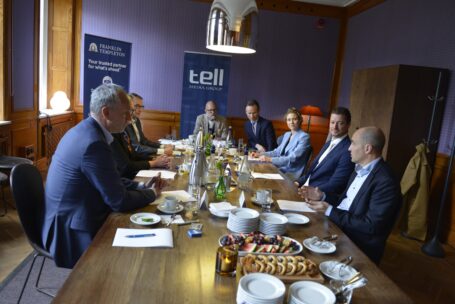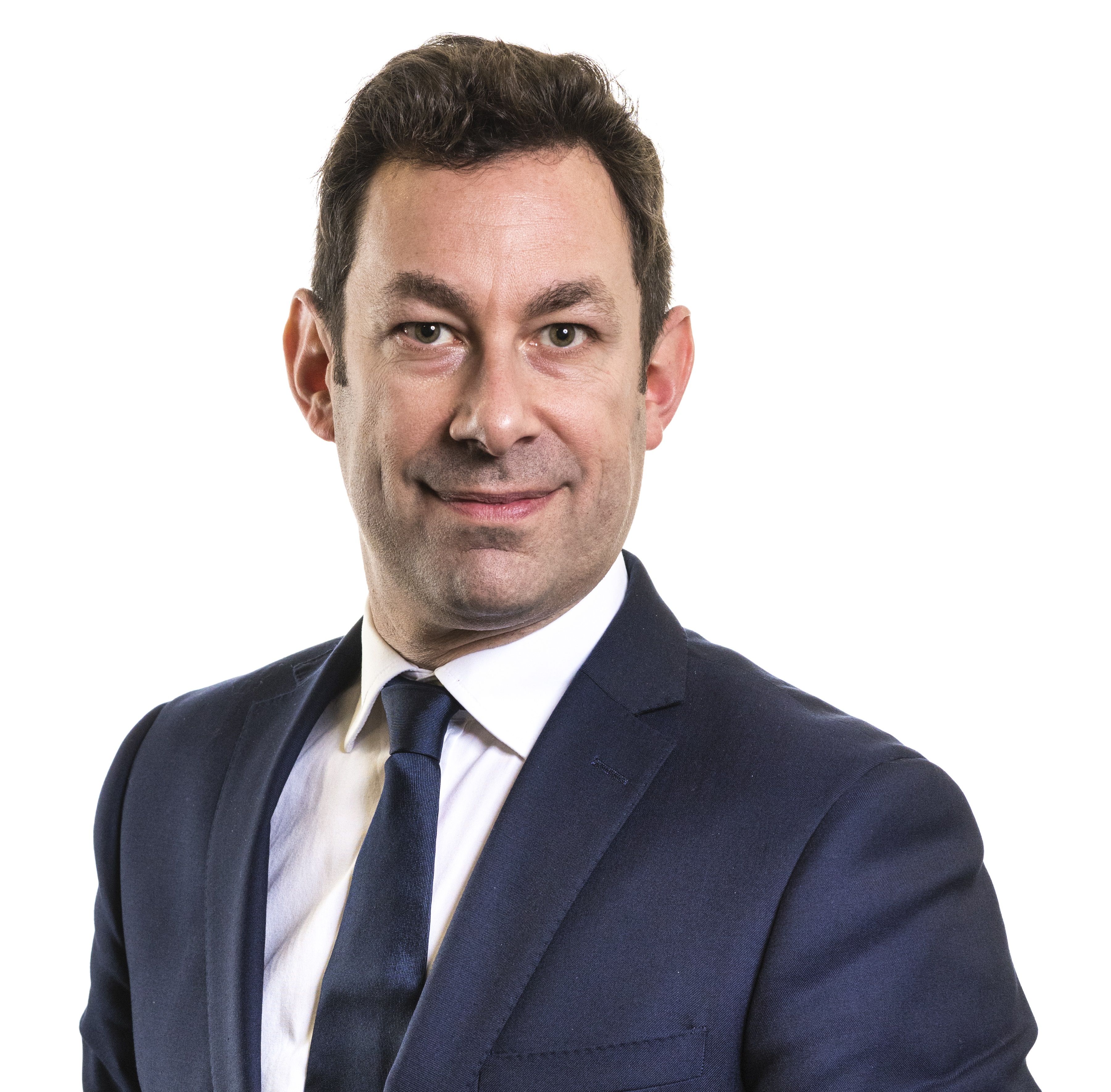
The interview starts with a look in the rearview mirror. Before joining Polar Capital where he is now a partner in the technology team, Ben Rogoff was a tech manager at Aberdeen from 1998 to 2003 and therefore lived through the dot com bubble of the late 1990s.
“I started my career earlier than that and spent a couple of years on the sell side, and then I became an analyst at another firm before I got the job at Aberdeen. Aberdeen was an asset manager that was in an explosive period, and they were one of the few UK houses that had a tech fund,” he says and adds that it was very formative years.
“The experiences from that time has been very instructive in terms of our comfort with the early part of this AI cycle, because we were there. To the extent that I can remember, I think we fought very hard against the bearish narrative that this is an investment bubble much like the earlier period,” he says.
Asked about some of the key lessons learned and if there are any similarities to the current market, Ben Rogoff says that the dot com period is the best parallel to what we are currently experiencing.
“Just as what’s happening today, that was a genuine hardware upgrade cycle with the telecom infrastructure upgrade and the PC cycle at the same time. We’ve had other cycles since, such as the SaaS cycle and a smartphone cycle, but none have been as reminiscent or as close in terms of the intensity and the hardware centricity of this cycle,” he says. He adds that the question of course is where we are today in relative terms compared to the bubble and burst of the late 1990s. He also says that there were factors in the late 1990s that we don’t have today, such as the Y2K scare [a late-1990s panic that computer systems would crash when dates shifted from 1999 to 2000] and a deregulation story that doesn’t exist today.
“The dot com bubble was more than a dot com bubble. It was dot com plus Y2K plus deregulation and on top of that we had very permissive capital markets,” he says and reveals that three of 12 in the technology team at Polar Capital are historians by university degree – including himself.
“We’ve got lots of people who are very good at numbers as well, but I think looking back and finding historical parallels is important. What we are living through right now isn’t that different from the agricultural mechanization or the industrial revolution. A new input comes along and profoundly changes value propositions,” he says. He explains that the internet was a general-purpose technology and AI is also a general-purpose technology and that it needs to be considered as such.
“My favourite example of a general-purpose technology is probably steel and it’s a parallel that most people don’t think about. It’s very unsexy, it happened a long time ago and who cares? But our view on it is that very profound things happen in a very accelerated way. It allowed us to create elevators; skyscrapers were built and humans conquered vertical space,” he says. Coming back to what he does today, Ben Rogoff explains that Polar Capital launched the AI fund some eight years ago, which was unusually early.
“I think there was one other fund in the market before us, and we were that early because we felt, even then, that the next general-purpose technology looked like it would be AI. So that’s the starting point. It’s not just another tech thing,” he says.
The question is how far we’ve come in the current cycle and what will happen going forward. Ben Rogoff says that his view is that it will happen much faster compared to prior cycles because history tells you that.
“I don’t have the exact numbers, but let’s say that steam took some 100 years, electricity took 50 years. Every new general-purpose technology happens much faster because you’re building on prior gains. In this particular case, we’ve got billions of smartphones. We’ve done a lot of digitalization. A lot of the stuff that we needed already exists,” he says.
With regards to where we are in the AI cycle, Ben Rogoff says that compared to the dot com period, we’re currently in the mid-1990s. The question is of course where to invest to best benefit from this development.
“What I would say, and I’ve been fairly consistent about this, is that all infrastructure cycles end badly. Infrastructure cycles always end badly because they take a while to crank up and they take a while to crank down. If you’re going to build a data centre, it’s expensive and if you wait and wait until you make a decision to add you’ve probably done it too late. So, in the end, there will be an over-extrapolation. Humankind will be the beneficiary – there are many positive externalities,” he says.
Asked if the historical parallel would be not to invest in railroads but rather in the shops and hotels that get new customers thanks to people travelling, Ben Rogoff agrees. He adds however that we are currently in the most exciting phase of the infrastructure build. He says that AI models are continuing to rapidly improve while enterprise adoption is inflecting with agentic AI. This is also the reason to why they continue to have significant portfolio exposure to the AI capex beneficiaries. They do however also find opportunities outside of tech. “When we launched the product eight years ago, we already had two large scale technology funds. We didn’t need another tech fund. Our AI fund is very distinct from some of the other ones you’d see on the market, where many appear to be tech funds that are called AI funds. Yes, there was a lot of money made in aviation at the time of the jet engine, but it would have been even better if you could also invest in hotel companies and credit card companies. This was genuinely part of the reason why we launched the fund – to be able to take a broader view. As this is a general-purpose technology, we’re going to rethink the world and there are going to be parts that are just beyond the remit of a tech fund. Our product was always supposed to be a tech heavy global equity fund and today it’s only 40 per cent tech,” he says and adds that he’s absolutely focused on wanting to find AI winners outside of tech.
// Read more about the Nordic Fund Selection Forum 2026 here.