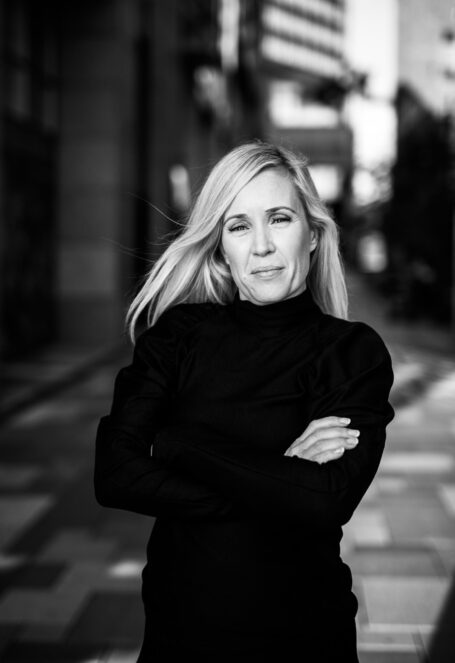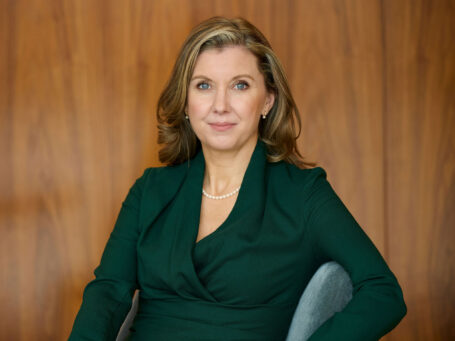
How did you end up working within the asset management industry?
“I began my career in commercial real estate in the 1990s, gaining valuable experience and early responsibilities. However, I found the transactional nature of the business limiting, as opportunities to reconnect with clients after closing deals were rare. I was seeking a role that would allow me to build long-term, strategic relationships. This pursuit led me to become head of institutional sales and marketing at Carlson Investment Management in Norway, where I could focus on fostering enduring client partnerships.
Twenty-five years later, my passion for this industry remains strong. I’ve had the privilege of working with Nordic and international asset managers, as well as serving as an institutional client of asset management services. Over the past 11 years at Mercer, I’ve held roles that have enabled me to operate at the intersection between asset managers and institutional investors.”
What were you interested in at the beginning of your career, and what did you struggle with?
“I’ve always been open-minded and believed that hard work and delivering quality would create opportunities. Looking back, I realize I struggled with balancing work and personal life; work often took precedence. When I became a mother, I recognized the importance of prioritizing family, which prompted me to make meaningful changes in my approach.”
If you didn’t work in the asset management industry, what do you think you would have done instead?
“My childhood dream was to become an architect. I’ve always been fascinated by how architects design structures that are both functional and inspiring, skilfully balancing aesthetics with sustainability. However, I see a strong parallel between architecture and leadership: both require a clear vision, creativity, strategic thinking, and the ability to bring diverse elements together to create something impactful.”
What is your leadership style, and what do you think makes a good leader?
“I aim to be an empathetic leader who can effectively drive change. I believe that a good leader must be adaptable, able to switch between different leadership styles based on the situation. A simple way to view this is that leadership requires different approaches during times of stability versus times of crisis, and the ability to navigate these dynamics is key to long-term success.”
What are some of the main lessons you’ve learned throughout your career?
“I was raised to believe that hard work and honesty are fundamental to long-term success. Throughout my career, I’ve seen firsthand how these values build trust, foster strong relationships, and create opportunities that might not be immediately apparent. Hard work often leads to growth and mastery, while honesty ensures integrity and respect in all interactions. I plan to pass these lessons on to my children, as I believe they are essential principles for both personal and professional fulfilment. Additionally, I’ve learned that taking calculated risks can open doors to new opportunities and maintaining composure during challenging times enhances credibility and resilience.”
What are the best and worst things about your current job?
“The best aspect is the continuous learning opportunity and the chance to work with diverse people from around the world. On the challenging side, managing different time zones can be demanding and requires flexibility and patience.”
What do you see as some of the main ESG challenges for investors today?
“Navigating ESG and sustainable investing has become increasingly complex. There are divergent opinions and standards, making it difficult for investors to identify consistent and credible frameworks. This is compounded by inconsistent regulations across different regions, creating uncertainty and complexity in compliance and reporting requirements.
Additionally, ESG issues are inherently long-term in nature, requiring investors to adopt a forward-looking perspective that often conflicts with short-term stakeholder pressures for immediate results. Balancing these long-term sustainability goals with the need to deliver risk-adjusted returns in the short term is a delicate and ongoing challenge.
Overall, the key challenge lies in integrating ESG factors into investment decision-making in a way that is both rigorous and adaptable to the evolving landscape, while maintaining transparency and accountability to stakeholders.”
What are some of the key misconceptions people have about Mercer?
“A common misconception is that Mercer is solely a benefits or HR consulting firm. In reality, Mercer is a global leader offering a wide range of services, including health, wealth and career consulting, along with advanced data analytics and digital solutions. Many underestimate the breadth of our expertise and how we help clients navigate complex challenges across industries and regions.
Additionally, Mercer is a vital part of Marsh McLennan, a global professional services firm that includes Marsh, Guy Carpenter, Oliver Wyman and Mercer. While maintaining a distinct identity with over 20,000 professionals worldwide, our global scale and local insights enable us to deliver tailored, impactful solutions, exemplifying Marsh McLennan’s commitment to innovative, client-centric services that drive success.”
What do you like to do when you’re not working?
“I enjoy cooking, skiing and hiking with family and friends. These activities help me recharge and stay connected with my loved ones.”
Where would you live if you didn’t live in Oslo?
“I lived in London for eight years and wouldn’t mind moving back there someday. It’s a city I truly enjoy and feel at home in.”
Which books or podcasts would you recommend to your peers?
“This summer, I’ve been reading Atomic Habits by James Clear, which offers practical insights on how small, consistent changes can lead to significant personal and professional growth. Additionally, The Circular Economy Show by the Ellen MacArthur Foundation provides inspiring stories and practical examples of how rethinking production and consumption can drive sustainable innovation—an excellent resource for anyone interested in responsible business and sustainability. When I want to unwind, I enjoy watching a good series. Lately, I’ve been watching Broen (The Bridge), which I hadn’t seen before.”
How did you end up working within the asset management industry? “I began my career in commercial real estate in the 1990s, gaining valuable experience and early responsibilities. However, I found the transactional nature of the business limiting, as opportunities to reconnect with clients after closing deals were rare. I was seeking a role that would allow me to build long-term, strategic relationships. This pursuit led me to become head of institutional sales and marketing at Carlson Investment Management in Norway, where I could focus on fostering enduring client partnerships. Twenty-five years later, my passion for this industry remains strong.If you’re new to Tell Media Group, create an account first.
Read more about our memberships